Certified processes and quality control
We apply strict controls at every stage of the production process, supported by international standards that guarantee the quality and safety of our products.
Request a Quote
We apply strict controls at every stage of the production process, supported by international standards that guarantee the quality and safety of our products.
Request a Quote
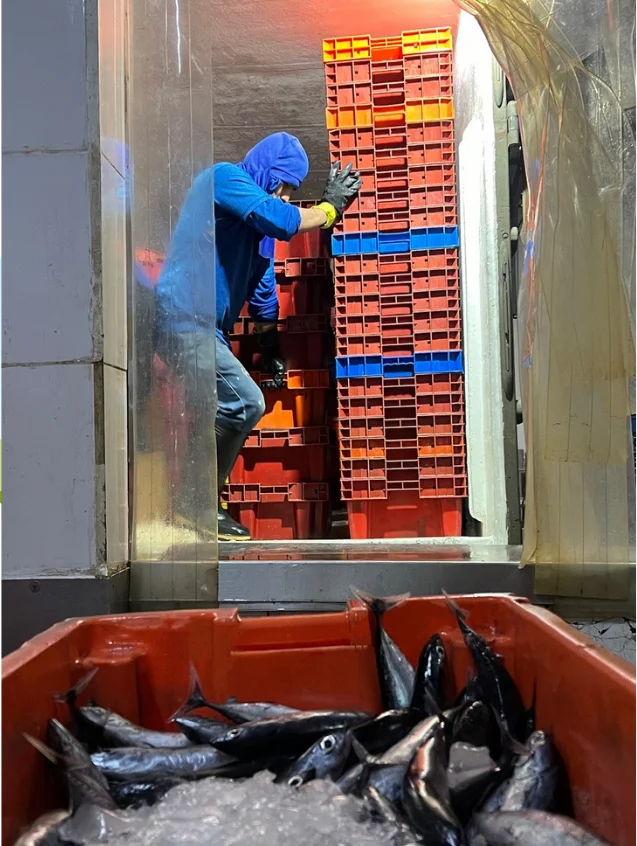
Upon arrival, the raw material is transported to the plant and stored in plastic tanks with fish and ice at a temperature not exceeding 4 °C if more than 8 hours have passed since capture.
The product is graded and coded with the corresponding lot number.
An organoleptic analysis is performed to classify the product into one of four categories according to a specific table.
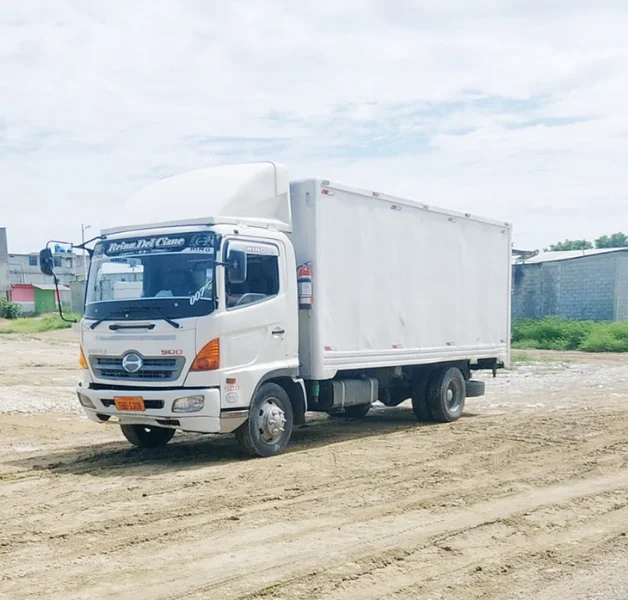
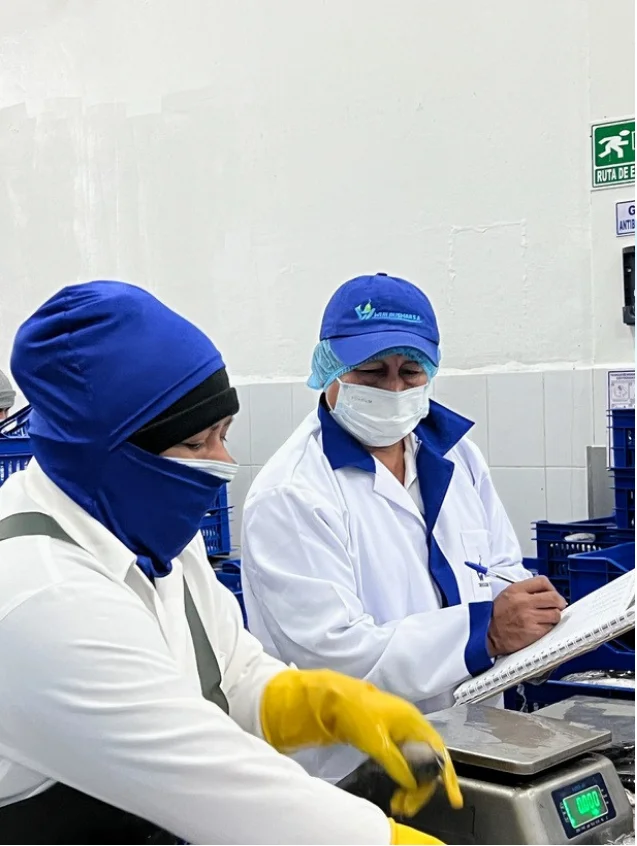
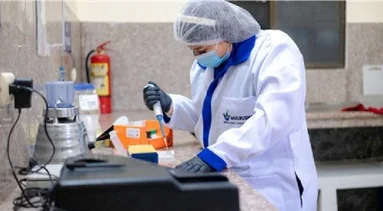
The product is randomly collected from different parts of the truck for histamine analysis using the micro-ELISA method. If the result exceeds 10 ppm, it is rejected; otherwise, it proceeds to processing.
Once the fish reaches a temperature below 4.4 °C, it is transported in containers by forklifts to the production area.
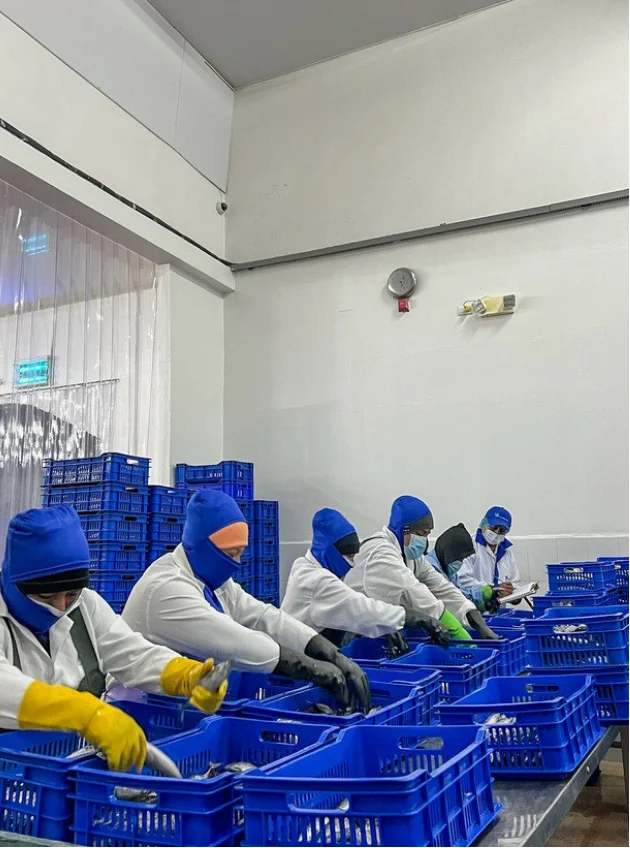
It is distributed on metal tables for proper grading.
In this process, the fish is classified by size according to the species entering the plant.
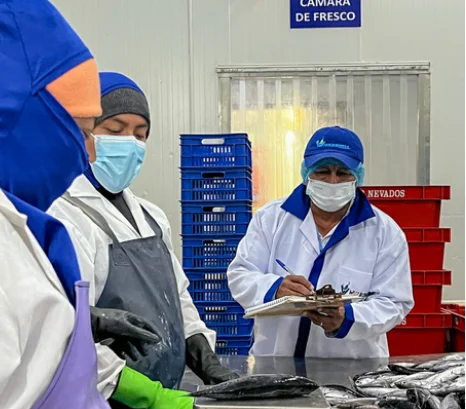
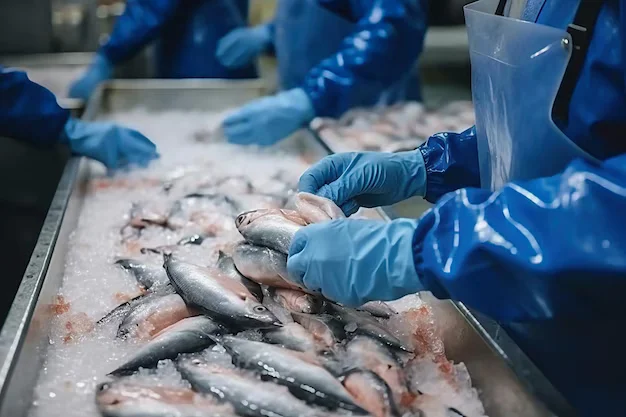
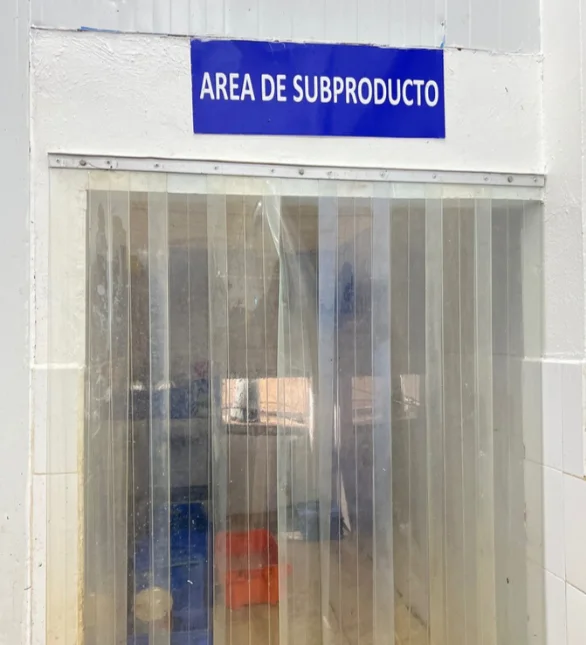
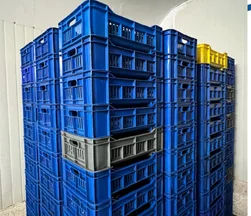
The resulting waste is placed in gray bins and then taken to the by-products room to prevent accumulation and contamination in the processing area.
Once the process is completed, each fishing supplier collects their by-products.
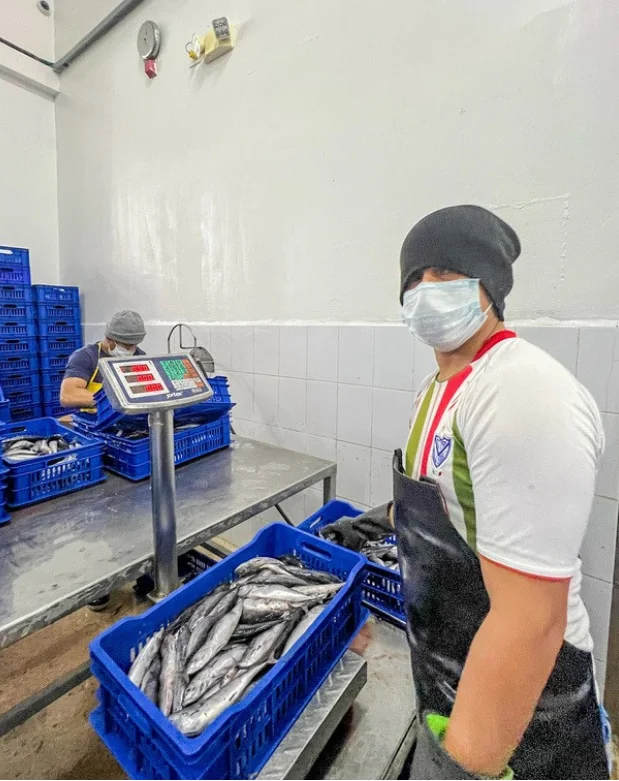
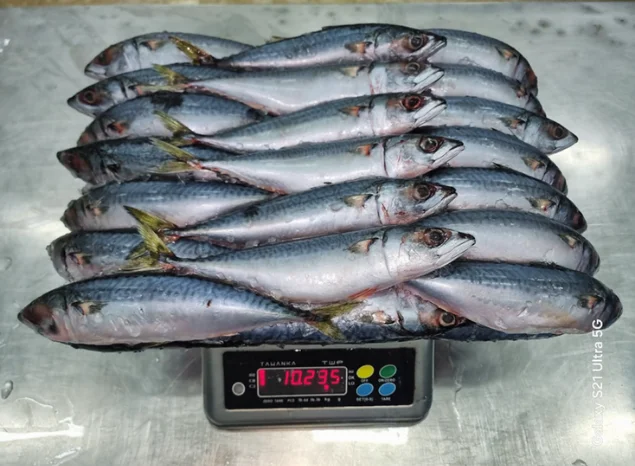
After classification by size, the product is placed in plastic trays or perforated crates.
In this process, the weight of each tray ranges between 10.4 and 10.7 kg.
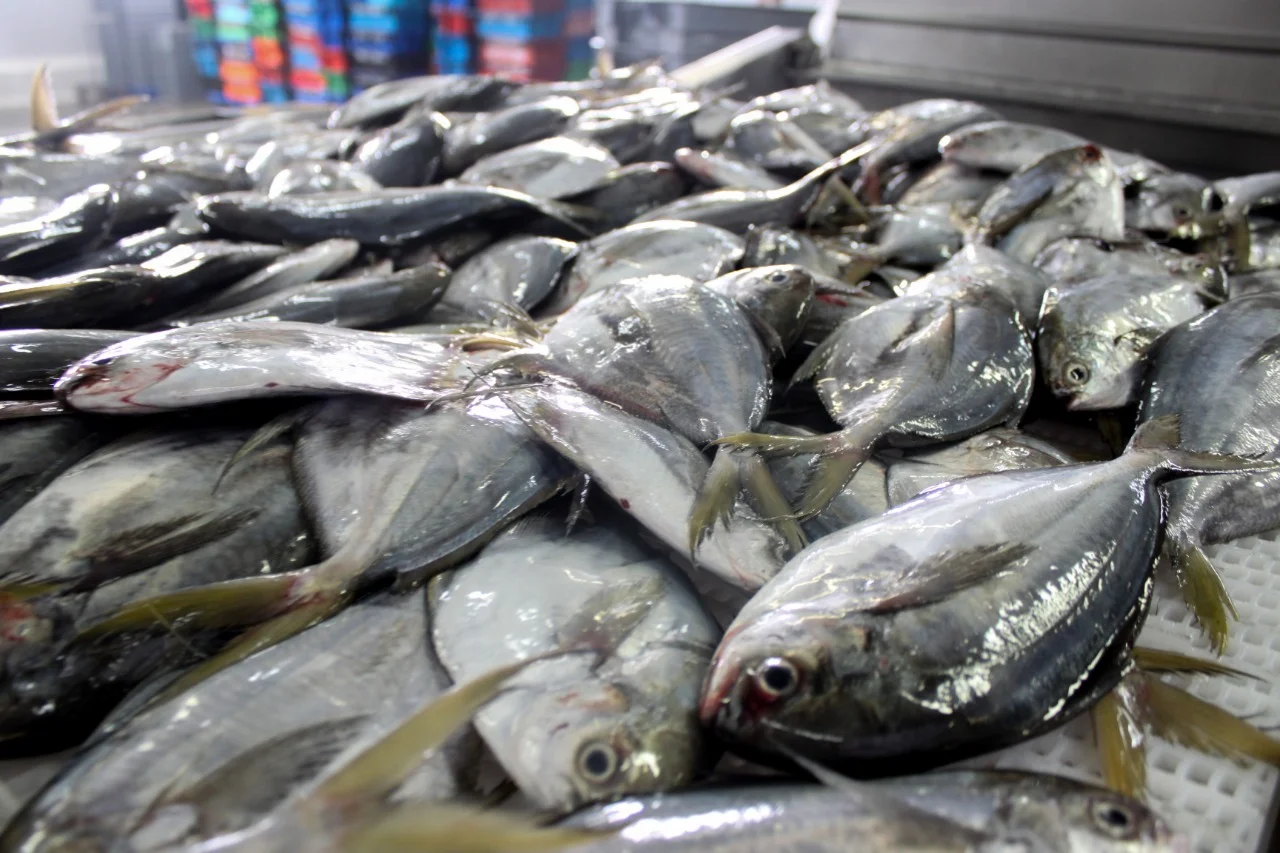
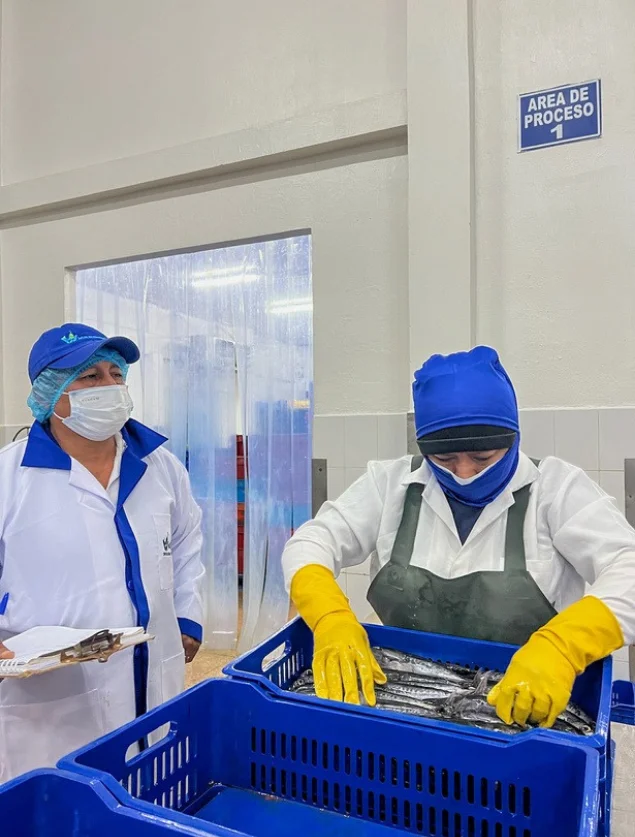
The product is immersed in ice water at 0 °C.
It is then placed in plastic trays or containers.
The pieces are placed in molds protected by a plastic sheet, avoiding direct contact with metal.
They are loaded into carts and introduced into freezing tunnels until reaching a minimum temperature of -18 °C within a maximum time of 10 hours.
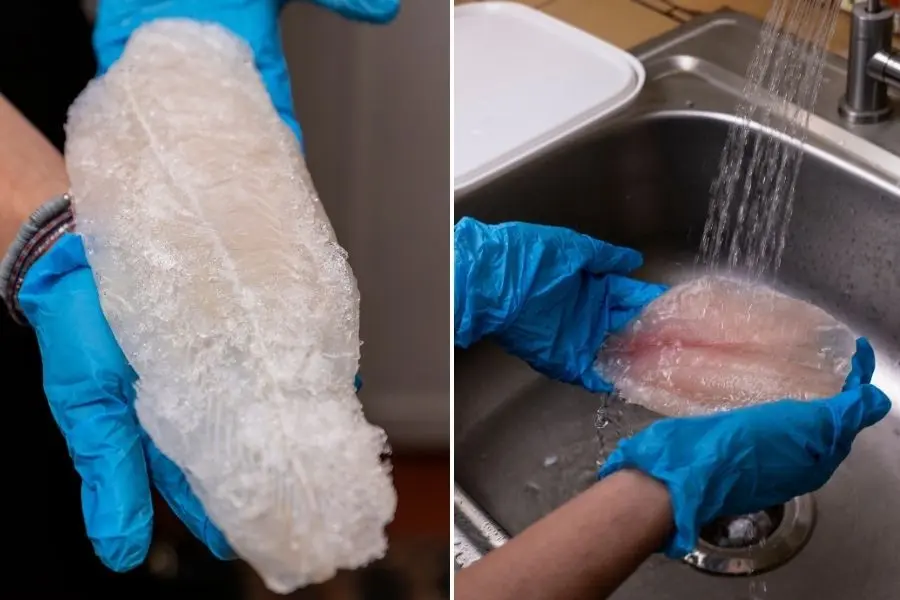
Before packaging, glazing is performed by immersing the fish in water at 0 °C for 2–3 seconds.
This water maintains a residual chlorine level of 1.5 ppm, after confirming product weight or according to client specifications.
Packaging is carried out in cardboard boxes, plastic bags, or tied sacks, depending on client specifications.
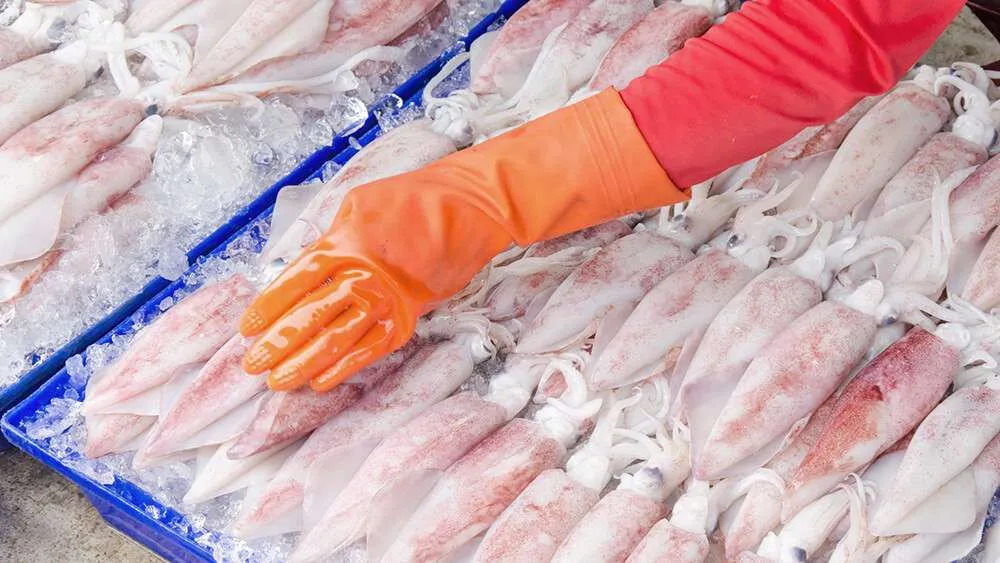
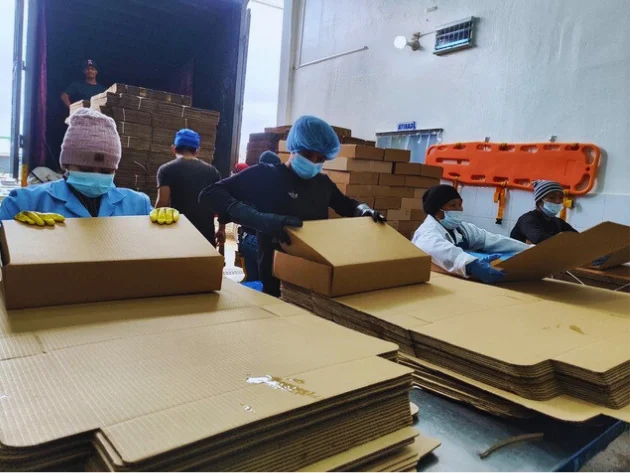
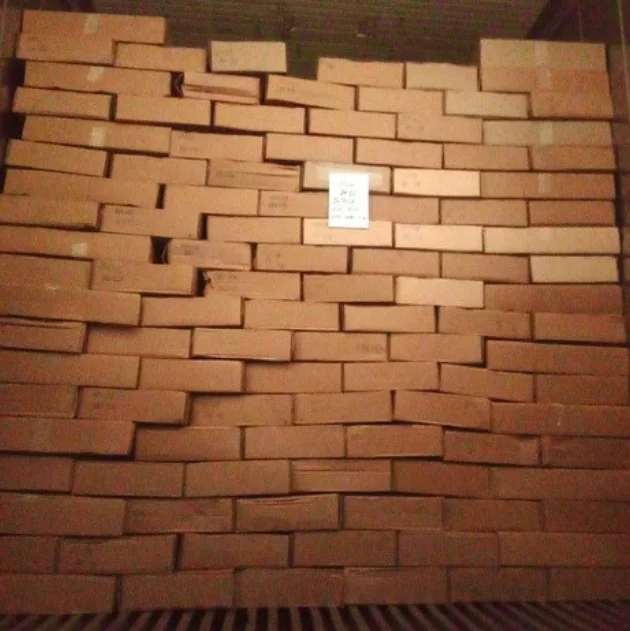
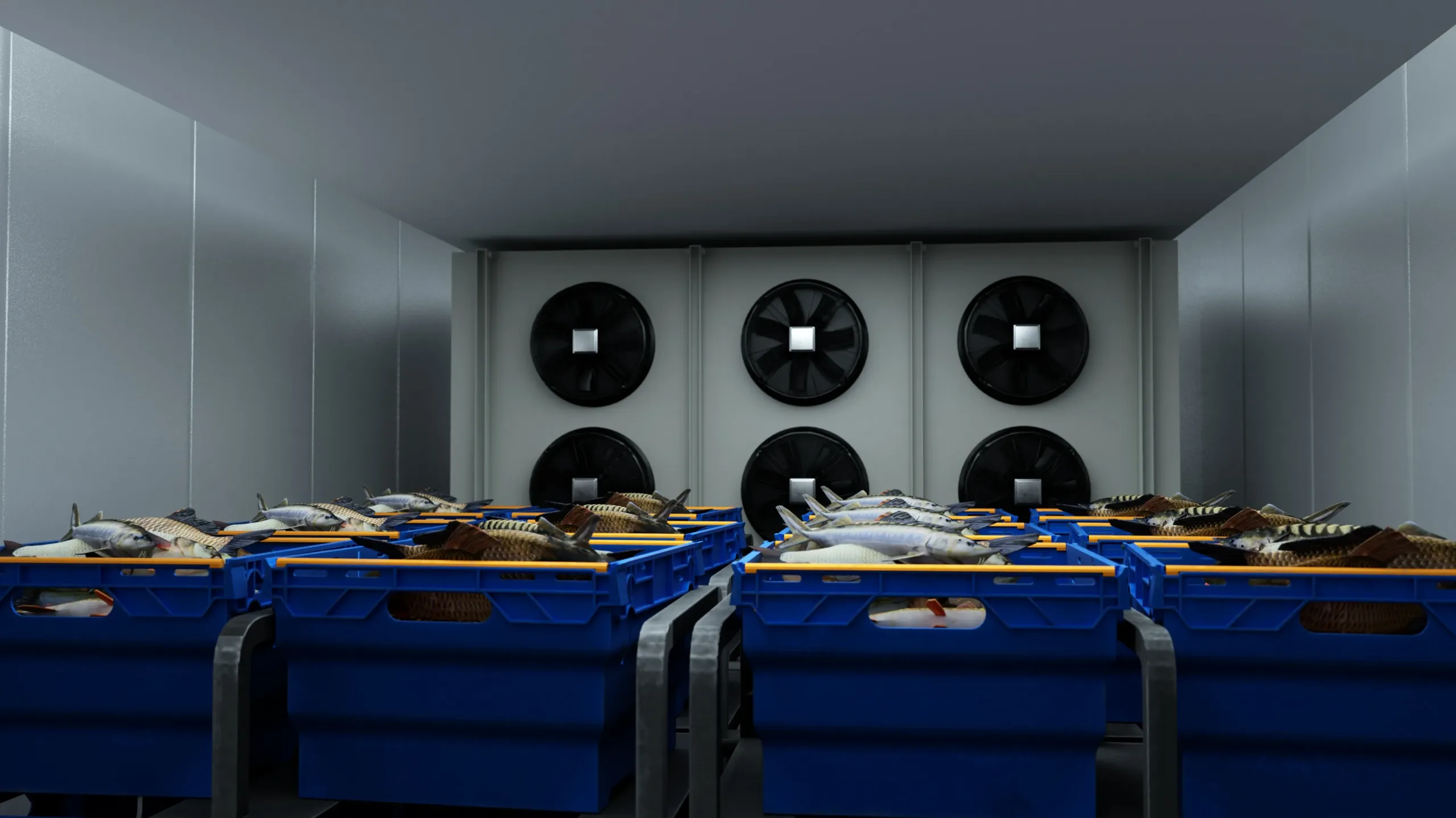
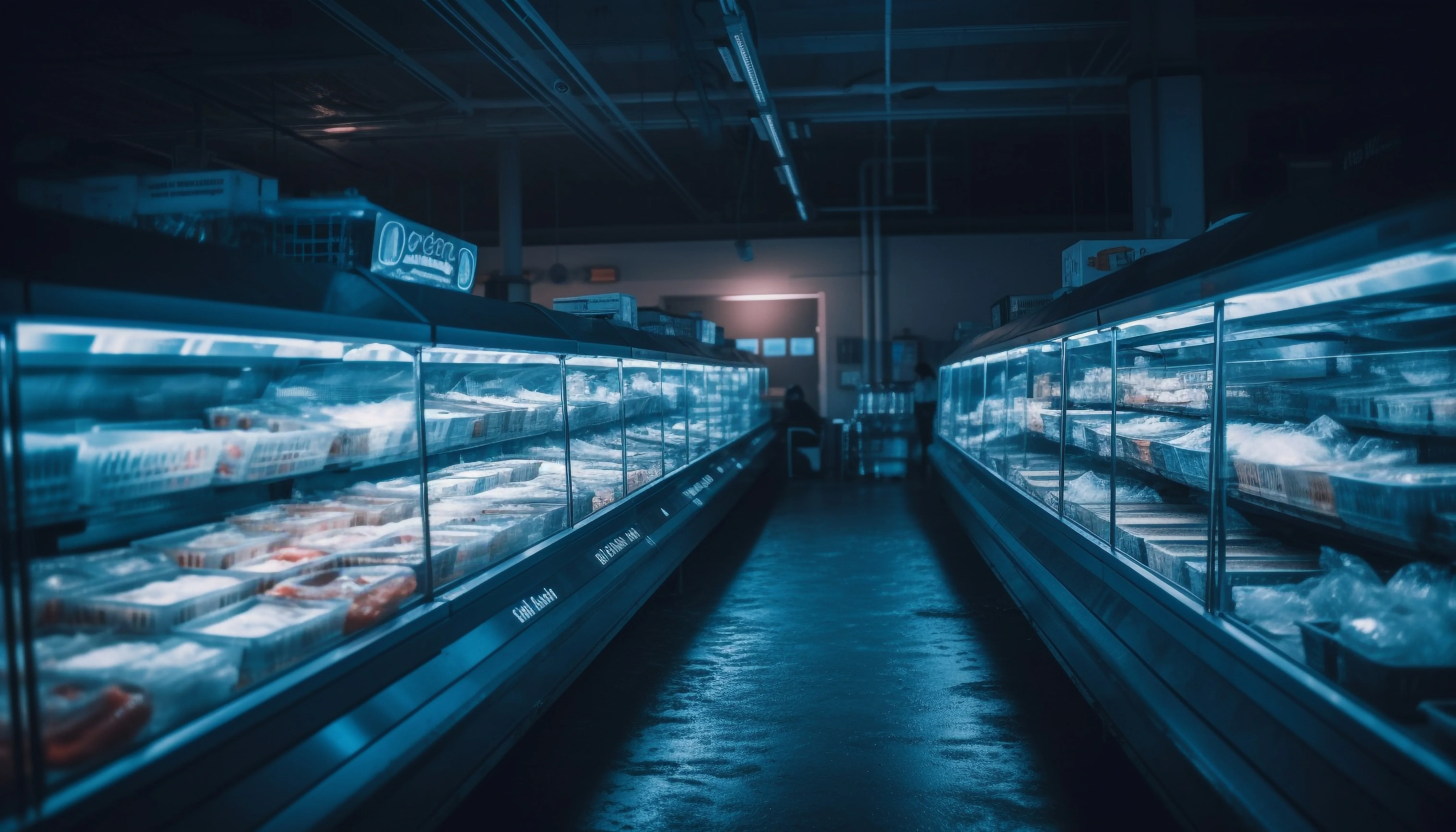
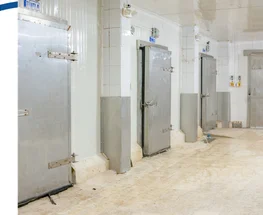
Once packed, the boxes are placed by lot in finished product cold storage rooms.
They remain at temperatures below -18 °C until dispatch.
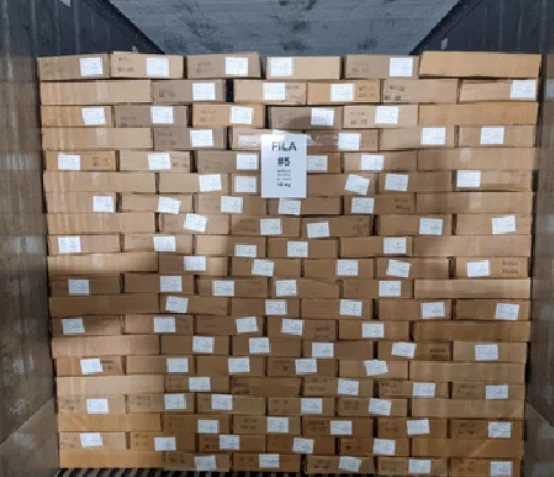
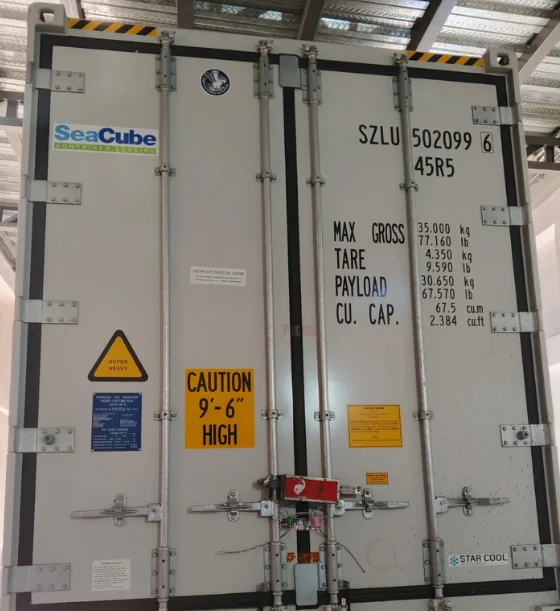
Before loading the boxes into a vehicle or container, the cleanliness and disinfection of the transport unit are verified.
After confirming compliance with specifications, the loading order is issued.